
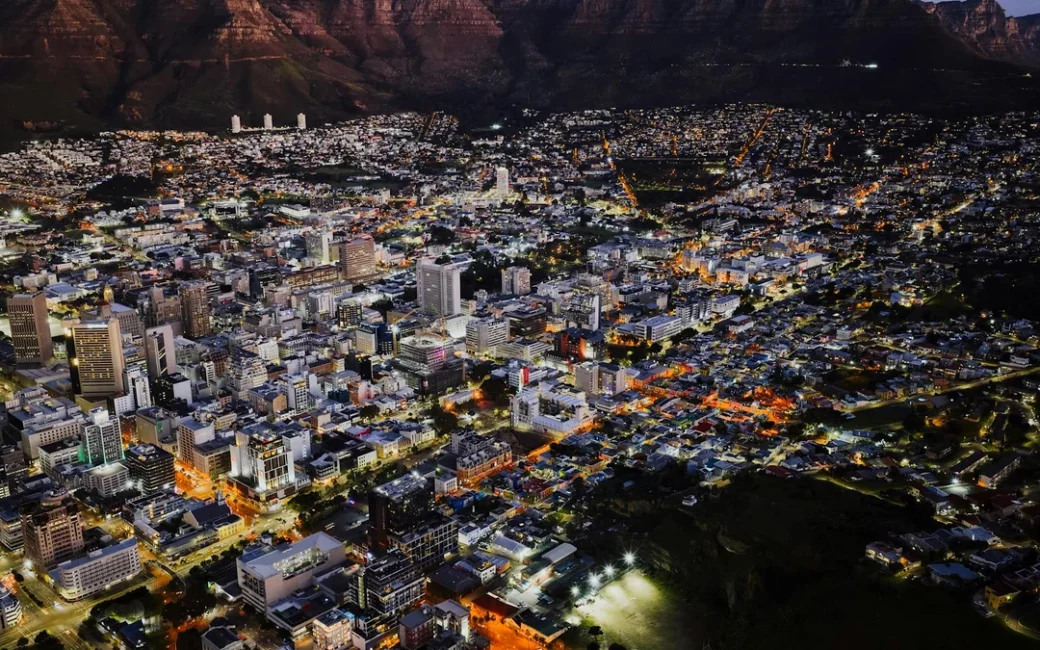
Cape Town can be one of the most efficient places in the world to deliver a premium stills campaign, but talent paper work is where many projects lose control. Model usage rights need to be negotiated early, while the brief is still being shaped and before anyone has treated the shoot as fully booked.
For international clients, the usage conversation affects more than the model fee. It shapes the media plan, the markets the images can live in, the length of the campaign, and the cost of any future extension. Get that wrong, and a polished shoot can turn into a licensing dispute, a budget overrun, or a slow, awkward scramble to replace assets.
Usage terms belong in the first negotiation
The cleanest way to manage model rights is to treat them as a production variable, not a post-production admin task. Agencies need to know the intended use before rates are confirmed, because a portrait that sits on a local brochure is priced differently from the same image running across a global campaign.
For high-end stills work, the usage conversation should cover print, digital, social, banner placements, email, outdoor formats, retail point of sale, and internal brand use if relevant. Territory also matters. South Africa only, Sub-Saharan Africa, EMEA, and worldwide are not interchangeable scopes, and each step outward usually increases cost.
Duration has the same effect. A six-month license gives less flexibility than a year, and a multi-year agreement needs to be priced with that longer life in mind. If the campaign may evolve, that should be raised before the model is booked, not after the first round of approvals.
Extensions need to be planned before the shoot
The most expensive usage conversation is the one that happens after a campaign performs well. If the rights expire and the client still wants to use the imagery, the renewal is usually more expensive than the original deal. Agencies know the images are already approved, already edited, and already in circulation, which puts the client in a weaker negotiating position.
A better approach is to build the extension path into the original agreement. That can mean a fixed rate for an extra year, a percentage uplift for a further period, or a tiered structure that prices longer use from the outset. In practice, that kind of planning can cut extension costs by 30 to 50 percent compared with a last-minute renewal.
This also helps with campaign forecasting. If the imagery may be rolled into an evergreen asset library, or if the client often extends successful work, the production can reserve budget for that possibility and avoid surprise approvals later.
The details that prevent disputes
A usage agreement only works when the language is precise. Agencies should not have to infer where the images will appear or how far the rights stretch.
The main points to lock down are clear enough, but they are often handled too casually:
- media channels, including print, digital, out-of-home, and retail use
- territory, with a clear list of countries or regions
- duration, with a start and end date
- exclusivity, especially if the model cannot appear for competing brands
- retouching and any other manipulation
- model release wording and consent to the stated use
Exclusivity is a budget item on its own. If a model must not appear for another brand in the same product category, fees can rise substantially. A soft drink example is a good one, because category restrictions can affect how agencies value the booking and how much room there is for future commercial work.
Modern contracts also need language around AI. If a client wants to retouch heavily, composite the image into new layouts, or repurpose it using generative tools, that permission should be explicit. Ambiguity here creates avoidable conflict later, especially when a model likeness could be altered in ways that were never discussed at booking stage.
Cape Town shoots still need global-grade compliance
Cape Town is a major production hub, which means local crews are often working for clients from the UK, the EU, and the USA. That raises the standard. International clients expect agreements that hold up across jurisdictions, not just a form signed on the day.
Data handling matters too. Model releases, contact details, ID copies, and usage records need to be managed with POPIA in mind, and GDPR may also be relevant depending on where the client, model, or final audience sits. If the production includes international talent or agency payments, tax treatment can also affect the final paperwork and the way rates are structured.
Currency is another quiet variable. If the rights are priced in rand but the client budgets in dollars or euros, exchange movement can change the real cost of an extension. Locking in the commercial terms early gives both sides more certainty.
The downside of getting it wrong
When rights are not secured properly, the financial impact can dwarf the original fee. Retroactive licensing is often charged at a multiple of the agreed rate, and a 2x to 5x increase is not unusual when a client has already used the image without proper clearance. On a R500,000 model budget, that can turn into a liability running into millions of rand before legal fees are even added.
The legal exposure is just as serious. Unauthorized use can lead to removal demands, court action, and damages claims. If a campaign has already gone live across websites, paid social, POS, and print, pulling everything down becomes a logistics problem as well as a legal one. In some cases the only clean fix is a reshoot, which costs time, talent, and production resources all over again.
Reputation can take a hit long before a matter reaches court. A public argument over image rights makes a brand look careless and makes the production company look weak on process. For premium campaigns, that damage is often more expensive than the licensing cost that should have been settled at the beginning.
A better production habit
Producers working in Cape Town should treat usage rights like weather planning or location access. If the terms are set early, the rest of the job moves faster. If extensions are anticipated, the client keeps more budget control. If the contract is clear on territory, duration, exclusivity, and manipulation, the agency knows exactly what it is selling and the model knows exactly what has been agreed.
For high-end stills work, that discipline is part of delivery. It keeps the shoot smooth, protects the client’s campaign, and removes one of the most common sources of delay in the production lifecycle.